Holland Park commercial cleaning permits and insurance explained
If you run or manage a workplace in Holland Park, the paperwork around cleaning can feel oddly bigger than the cleaning itself. One minute you're booking a team to freshen up an office, retail space, or communal building; the next you're wondering whether a permit is needed, what insurance should be in place, and who is actually responsible if something gets damaged. That is exactly where Holland Park commercial cleaning permits and insurance explained becomes useful. It cuts through the noise and helps you separate everyday best practice from the things that really protect your business.
This guide walks through the practical side of permits, access arrangements, liability cover, health and safety, and the checks worth making before any commercial cleaning work starts. It is written for real-world decisions, not just theory. And yes, the answer is often simpler than people expect - but only if you know what to ask.
Why Holland Park commercial cleaning permits and insurance explained matters
Commercial cleaning sounds straightforward until you factor in building access, shared entrances, awkward parking, late-night work, fragile finishes, and the simple fact that things can go wrong. A spill on a polished floor, a knocked fire door, a damaged sensor, or a missed access window can quickly become a bigger issue than the cleaning job itself.
In Holland Park, many business premises sit in mixed-use buildings, managed offices, converted properties, or shared spaces where building rules matter as much as cleaning method. That means a cleaner may need permission from a landlord, managing agent, facilities manager, or building concierge before bringing in equipment or working outside normal hours. Sometimes there is a formal permit or work authorisation process. Sometimes there is not. The point is not the label; the point is whether the site has approved the work, the timings, and the access route.
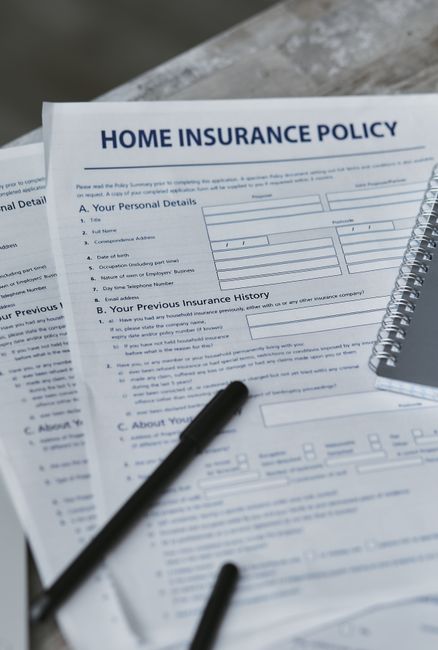
Insurance matters just as much. A professional cleaner should be able to show evidence of public liability cover, and in some cases employers' liability too. If they are working around staff, visitors, valuable equipment, or sensitive floor coverings, you want clear protection if an accident happens. Let's face it, nobody books a cleaning service hoping to discuss claims forms later.
For businesses that want peace of mind, it also helps to review a provider's wider safety approach. A clear health and safety policy and a dedicated insurance and safety information page are good signs that the company treats compliance seriously rather than as an afterthought.
How Holland Park commercial cleaning permits and insurance explained works
The process usually comes down to three moving parts: permission, cover, and control measures. If you understand those three, most of the anxiety disappears.
1. Permission or site authorisation
Some sites simply need a booking confirmation. Others need written approval before any contractor enters the premises. In a managed building, that approval may include sign-in procedures, DBS or ID checks where relevant, loading bay access, lift protection rules, or limits on noisy equipment. For after-hours work, the building manager may ask for a risk assessment, method statement, or an attendance window. The paperwork can be a bit dull, admittedly, but it saves hassle later.
2. Insurance check
Good commercial cleaners should be prepared to explain what their policy covers. At a minimum, business owners usually look for public liability insurance, because that is the basic cover that matters if property damage or third-party injury occurs. Depending on the arrangement, employers' liability insurance may also be relevant if cleaners employ staff. If vehicles, specialist machinery, or access equipment are involved, there may be additional cover too.
3. Risk management on site
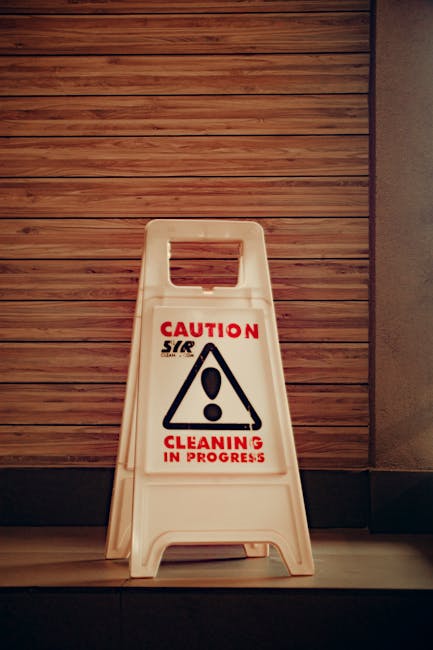
Insurance is not a substitute for safe working. A sensible cleaner will still protect floors, cordon off wet areas, label hazards, manage cables properly, and choose appropriate products for the surface they are treating. If you have ever walked into a lobby and seen damp signs placed too late, you will know why this matters. Small details count.
For a broader view of how a professional contractor should work on site, it can help to compare this with a service such as commercial cleaning or a more specific package like office cleaning, where access, timing, and safety expectations are often clearly built into the job.
Key benefits and practical advantages
There is a good reason businesses take permits and insurance seriously. It is not just bureaucracy. Done properly, it keeps jobs efficient, predictable, and less stressful.
- Reduced risk of disruption: Clear access rules help the clean happen at the right time, without interrupting staff or residents.
- Better protection for property: Insurance and safe methods help protect flooring, furniture, signage, equipment, and finishes.
- More confidence for building managers: When paperwork is in order, approvals are usually quicker and smoother.
- Less chance of disputes: If something is damaged or delayed, everyone knows what was agreed.
- More professional service delivery: A cleaner that handles permits and insurance properly tends to be better organised overall.
There is also a quieter benefit: fewer awkward conversations. Nobody enjoys explaining to a receptionist why a van is blocking the entrance or why a wet floor was left unmarked. Good preparation prevents those moments.
For recurring premises, the same logic applies beyond a single visit. Services like regular cleaning or communal area cleaning often run most smoothly when permissions, contacts, and insurance details are documented once and then kept current.
Who this is for and when it makes sense
This topic matters to more people than you might expect. It is not only for large offices with formal site rules.
- Office managers arranging one-off or ongoing cleaning.
- Landlords and managing agents who need insured contractors for shared spaces.
- Retail operators with customer-facing floors and tight opening hours.
- Hospitality businesses that need after-hours cleaning with minimal disruption.
- Facilities teams coordinating several contractors on one site.
- Small business owners who want to avoid hidden risks before hiring.
It also makes sense whenever a job involves non-standard access. That includes early starts, late finishes, lift protection, restricted parking, shared entrances, or work in a building with a managing agent who expects notice. If you are cleaning a place where people still need to work, move through, or sleep upstairs, the permit and insurance questions stop being optional pretty quickly.
Sometimes a cleaner is invited in for a quick refresh, but the site rules are stricter than expected. If that sounds familiar, a more structured service such as deep cleaning may be more suitable than a basic visit, simply because the planning is more deliberate.
Step-by-step guidance
If you want to handle this properly, keep it simple and systematic. No need for drama.
- Identify the space and its rules. Is it an office, retail unit, communal area, or shared building? Check whether the landlord, managing agent, or building manager has any cleaning access rules.
- Confirm the scope of work. Be clear about what will be cleaned, when, and whether any equipment, chemicals, or machinery will be used.
- Ask whether a permit or written approval is required. Some properties need booking confirmation, others need formal site authorisation. If the answer is "not sure," treat that as a prompt to ask again.
- Request insurance evidence. Ask for confirmation of public liability cover and any other relevant cover for the job. Keep the document on file if your site requires it.
- Review the risk controls. Check how the team handles wet floors, cable management, signage, isolation of areas, and product use on delicate surfaces.
- Clarify responsibility. Decide who handles access, keys, alarms, parking arrangements, and sign-in/out procedures.
- Document the agreement. A written summary is enough in many cases. It can be an email. It does not need to be fancy.
A quick example: if a cleaning team is booked for a Holland Park office on a Friday evening, the site might require visitor entry to stop at 6pm, with only the side door available after that. If this is not agreed in advance, the cleaner could arrive with equipment and find themselves locked out. That sort of thing happens more often than people admit.
If you are also reviewing a provider's operational standards, their terms and conditions and pricing and quotes pages can be useful for understanding what is included, what is excluded, and how changes are handled.
Expert tips for better results
After enough site visits, a few patterns become obvious.
- Ask for insurance before the clean, not after. It is much easier than chasing paperwork once the job is already underway.
- Match the cleaning method to the surface. A polished floor, a carpeted office, and a stone entrance need different handling. Obvious, perhaps, but mistakes still happen.
- Keep one main contact per site. Mixed messages are the enemy of smooth access.
- Be specific about sensitive areas. Reception desks, server rooms, meeting spaces, and signage often need extra care.
- Use a simple sign-off routine. A few photos or a short handover note can save a lot of back-and-forth later.
One small thing that helps a lot: ask the cleaner how they would handle an unexpected issue, such as a leaking tap, a damaged chair leg, or a broken lock. Their answer tells you plenty. If the answer is vague, that is useful information too, just not the kind you wanted.
For surface-specific jobs, it can be worth checking services like hard floor cleaning, commercial carpet cleaning, or window cleaning, because each comes with slightly different site and safety considerations.
Common mistakes to avoid
Most issues are avoidable. They are usually caused by rushing, assumptions, or nobody owning the admin.
- Assuming no permit is needed. Building management may still require notice or authorisation even for simple work.
- Not checking the insurance type. "We're insured" is not enough. Ask what cover is held and whether it fits the job.
- Skipping access planning. If the cleaner cannot get in, the job cannot happen. A bit obvious, but here we are.
- Ignoring shared-space rules. Communal areas often have the strictest expectations because other people are using them too.
- Failing to record special instructions. Tiny details like alarm codes, lift booking, or parking bays matter more than people expect.
Another easy-to-miss problem is choosing a service that is too light for the task. A quick tidy may be fine for a low-use workspace, but if the area needs heavier attention after a renovation or refurbishment, a better fit might be something like after builders cleaning.
Tools, resources and recommendations
You do not need complex software to manage commercial cleaning compliance. In practice, a few simple tools are enough.
- A site access sheet with contact names, entry instructions, alarm details, and parking notes.
- A contractor folder holding insurance evidence, agreed scope, and any site approvals.
- A basic risk checklist covering wet floors, trip hazards, electrical safety, restricted zones, and chemical use.
- A handover note for the start and finish of each visit.
- A complaints and escalation route for the rare occasion something is not right.
It also helps to know where a provider stands on broader business standards. If you want to review how a company handles transparency and customer issues, pages such as about us and complaints procedure can give you a sense of how they operate beyond the job itself.
And if your premises values sustainability, the cleaner's approach to waste handling and product choice matters too. A responsible recycling and sustainability policy is not just a nice extra; it often reflects how carefully the business thinks through the details.
Law, compliance, standards, or best practice
For commercial cleaning in the UK, the main point is this: you need lawful, safe working practices, and you should not assume the cleaning firm will "just sort it out" without checks. Exact requirements depend on the premises, the scope of work, the building's own rules, and the risks involved.
In practical terms, businesses usually look for:
- clear contractor vetting and ID controls where site rules require them;
- appropriate liability insurance for the nature of the work;
- safe use and storage of cleaning products;
- proper handling of electrical equipment and extension leads;
- reasonable controls for slip, trip, and fall risks;
- documentation for any higher-risk or unusual task.
Where a building has its own internal procedures, those should be followed. Where the work affects other occupants, extra care is usually expected. That is common sense, and in this area common sense saves a great many headaches.
If your cleaning need overlaps with other specialist services, the same disciplined approach still applies. For example, facade cleaning, gutter cleaning, and patio cleaning can involve access, equipment, and weather-related risk that need proper planning before anyone starts.
Options, methods, or comparison table
Different premises need different levels of planning. Here is a simple way to compare what tends to matter most.
| Scenario | Permit or approval | Insurance importance | Typical practical focus |
|---|---|---|---|
| Small office clean | Sometimes informal approval is enough | Important, but usually straightforward | Access times, staff safety, wet-floor control |
| Managed communal areas | Often requires building approval or notice | Very important | Shared access, signage, resident coordination |
| Retail or customer-facing site | May need time-window approval | Very important | Public safety, stock protection, opening hours |
| Post-refurbishment cleaning | Usually requires tighter coordination | Very important | Dust control, surface protection, builder handover |
| Routine contract cleaning | Often ongoing site agreement rather than a one-off permit | Important and should be kept current | Consistency, reporting, minimal disruption |
Truth be told, the "best" option is usually the one that fits the building, not the one that looks easiest on paper. A neat little office with unrestricted access is a different beast from a shared building with narrow stairwells and four different people who all think they are in charge.
Case study or real-world example
A typical scenario in Holland Park might look like this. A small consultancy in a converted building needs evening cleaning once a week. The office is straightforward, but the building has a concierge desk, a shared entrance, and a strict policy about access after 6:30pm. The managing agent also wants contractor details on file before any first visit.
At first glance, this seems like a simple clean. In practice, the job runs smoothly only if the following are sorted in advance: who opens the door, whether the cleaner can use the lift, where equipment can be stored briefly, and what happens if the staff leave early. The company also wants confirmation of insurance because laptops, reception furniture, and common areas are all close by.
Once those points are agreed, the actual cleaning is easy. The cleaner arrives, works quietly, keeps the floor dry where needed, and leaves the place fresh rather than slightly chaotic. The smell of detergent fades, the desks are tidy, and nobody has to reverse-engineer a missed handover the next morning. That is the real win.
In a larger building, the same logic can apply to office cleaning combined with communal area cleaning, where one simple admin sheet can make the whole site run more smoothly.
Practical checklist
Use this before confirming a commercial cleaning visit in Holland Park.
- Have I confirmed whether the site needs a permit, booking notice, or written approval?
- Do I know who controls access on the day?
- Has the cleaner provided evidence of suitable insurance?
- Do I understand what areas will be cleaned and what will be left alone?
- Are there any sensitive surfaces, devices, or access restrictions?
- Have wet-floor, cable, and trip risks been addressed?
- Are parking, keys, alarms, and sign-in rules clear?
- Is there a named contact for problems or last-minute changes?
- Have terms, price, and timing been confirmed in writing?
- Do I have a simple handover process for start and finish of the job?
Quick takeaway: if the site is busy, shared, or managed by someone else, treat permits and insurance as part of the cleaning job itself, not extra admin bolted on at the end. That small shift in thinking prevents most issues before they start.
Get a free quote today and see how much you can save.
Conclusion
Holland Park commercial cleaning permits and insurance explained comes down to one simple idea: the best cleaning result is not just about how well a space is cleaned, but how safely and professionally the job is arranged. When permissions are clear, insurance is checked, and access is planned properly, the whole experience becomes calmer, cleaner, and far more reliable.
That matters whether you are arranging a one-off visit or managing a regular contract. It protects your premises, supports the cleaner, and keeps the working day moving without unnecessary friction. And honestly, that smooth feeling when everything just works - that is what good commercial cleaning should deliver.
If you are ready to tighten up your process, start with the basics, ask the right questions, and choose a provider that treats safety and paperwork with the same care as the cleaning itself. The rest tends to follow.
Frequently Asked Questions
Do I always need a permit for commercial cleaning in Holland Park?
Not always. Some buildings only need advance notice or approval, while managed properties may require a formal permit or contractor authorisation. The key is to check the site rules before the clean, especially in shared or access-controlled premises.
What insurance should a commercial cleaner have?
Public liability insurance is the main one businesses usually ask about, because it helps protect against accidental damage or third-party injury. Depending on the job, employers' liability and other cover may also be relevant.
How can I tell if a cleaner's insurance is valid?
Ask for confirmation of cover before the job starts and make sure the policy type matches the work being carried out. If your building manager needs evidence, keep a copy on file. A genuine contractor should not make that awkward.
Who is responsible for access arrangements on the day?
It depends on the site and the agreement. Usually one named contact handles keys, alarms, sign-in rules, or concierge coordination. The cleaner should know exactly who to contact if access does not go to plan.
What happens if a cleaner damages property?
If the cleaner has suitable insurance, the matter can often be handled through the correct claims process. That is why insurance checks matter before work begins. Without it, a minor accident can become a much bigger dispute.
Do communal areas need extra approval?
Very often, yes. Communal areas are shared by residents, tenants, visitors, or staff, so building managers usually want clearer notice and tighter control over timings, signage, and safe working methods.
Is written confirmation better than a phone call?
Absolutely. A short email confirming scope, timing, access, and insurance expectations can prevent a surprising amount of confusion. A phone call is fine for speed, but written confirmation is better when it matters.
Does after-hours cleaning need different insurance or permissions?
It may. Evening or early-morning work often needs extra access planning, and some buildings have rules about contractor hours. Insurance should still be suitable for the work, but the bigger issue is often site authorisation and safe entry.
What if the premises has fragile flooring or expensive finishes?
Tell the cleaner in advance. A professional team should adapt the method, choose safer products, and protect delicate surfaces. If the building includes specialist floors, it can be worth discussing surface-specific care rather than assuming a standard approach will do.
Can I use one cleaning provider for offices and communal spaces?
Yes, if they are set up for both. The benefit is consistency, but only if their insurance, access planning, and cleaning methods suit both environments. Different spaces can have very different risk profiles, so ask clearly.
How far in advance should I sort permits and insurance checks?
As early as you can, ideally before the visit is booked in. For managed properties, a little lead time makes a huge difference. It gives everyone time to check approval steps without rushing at the last minute.
What should I look for in a reliable commercial cleaning provider?
Look for clear communication, suitable insurance, sensible safety procedures, transparent terms, and a straightforward process for access and complaints if needed. If those basics are handled well, the rest of the service usually follows suit.