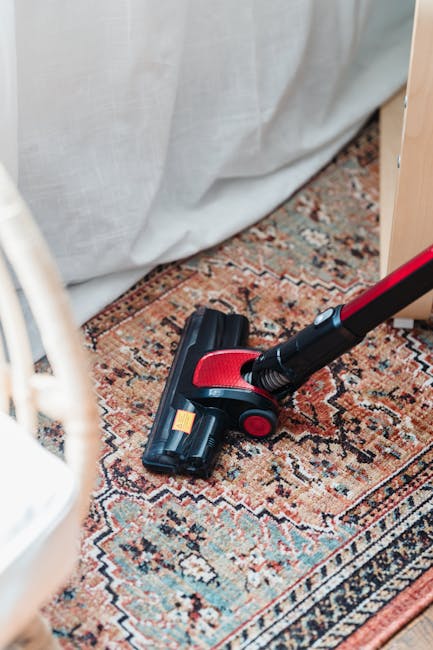
Holland Park Avenue carpet cleaning guide for period homes
Posted on 01/05/2026
Holland Park Avenue Carpet Cleaning Guide for Period Homes
Period homes around Holland Park Avenue have a charm that modern properties often try, and usually fail, to copy. High ceilings, original cornices, bay windows, sash frames, and beautiful older flooring create a lovely backdrop - but they also mean carpets need a more careful touch. If you are dealing with a Victorian terrace, a stucco-fronted townhouse, or a converted flat with older finishes, this Holland Park Avenue carpet cleaning guide for period homes is here to help you clean confidently without damaging fibres, dyes, or the character of the space.
Truth be told, carpet care in a period property is not just about making things look fresh. It is about preserving detail, managing wear in busy rooms, and choosing methods that suit older materials and lived-in homes. A rushed clean can leave water marks, stretched seams, or a lingering damp smell. A careful clean, by contrast, can make a hallway feel brighter, soften everyday dust, and help your home feel properly looked after. If you want the practical version, this guide gives you exactly that.
For broader local service context, you may also find the services overview useful, especially if you are comparing carpet care with upholstery cleaning in Holland Park or considering a more general domestic cleaning service for the rest of the property.
Why Holland Park Avenue carpet cleaning guide for period homes Matters
Period homes ask for a different mindset. Older properties often have more delicate finishes, more foot traffic in narrower hallways, and a mix of old and new under one roof. A carpet in a Holland Park Avenue townhouse might be protecting original floorboards, sitting under antique furniture, or dealing with a lifetime of small household spills. Those details matter. They change how you clean, how often you clean, and what you avoid.
One of the biggest issues in period homes is that "surface clean" can be misleading. A carpet might look fine from the doorway, but beneath the pile there can be dust from old voids, residue from previous spot treatments, or moisture trapped in a room that does not ventilate quickly. If you clean aggressively, you may pull staining to the surface or weaken backing glue. If you under-clean, the carpet keeps holding onto odour and grit. Neither is ideal.
Holland Park Avenue also has its own rhythm. Homes here often balance family life, entertaining, and city living. You may have guests in and out, pets on the stairs, or a hallway that gets muddy on wet London days. The carpet has to cope with all of that while still looking elegant. That is why a period-home approach is really about preservation as much as appearance.
Practical takeaway: In older homes, the goal is not the most aggressive clean available. It is the safest effective clean for the carpet's fibre, age, construction, and condition.
If you are also thinking about presentation because you are moving or improving the home before viewings, the local advice in selling your home in Holland Park can help you think about how clean carpets support overall first impressions.
How Holland Park Avenue carpet cleaning guide for period homes Works
At a practical level, carpet cleaning for period homes follows the same broad logic as any professional clean: inspect, choose the right method, treat spots, clean carefully, and dry properly. The difference is in how much judgement goes into each step. In a newer build, a standard approach may be enough. In a period property, you need to read the room - literally.
The process normally starts with fibre identification. Wool, wool blends, synthetics, and natural woven carpets all behave differently. Wool is common in higher-end homes and responds well to gentle, pH-conscious cleaning. Some older carpets can also be more sensitive to over-wetting, especially if they have been repaired, relaid, or fitted over aged underlay. A good cleaner will test a discreet patch before committing to the whole room.
Next comes soil removal. Dry soil - the gritty stuff from shoes and street dust - should be removed first through thorough vacuuming. This matters more than people think. If you skip it, wet cleaning just turns dry grit into muddy paste. After that, specialist pre-treatment can lift general grime, while spot treatment targets tea marks, food spills, pet accidents, or the kind of tracked-in dirt that settles at the bottom of stairs.
The actual cleaning method depends on the carpet and the condition of the room. Hot water extraction is widely used, but not always suitable for every period-home carpet. Low-moisture methods can be a better option when drying time, fibre sensitivity, or underlay condition is a concern. The important thing is not the label. It is whether the method fits the material and the property.
Drying is another place where older homes need extra care. A room with draughty windows, thick curtains, and an awkward layout may dry unevenly. If carpet stays damp for too long, you risk odour, re-soiling, or a slightly clammy feel underfoot. Not pleasant. Proper airflow, warm but not excessive heat, and enough time all help.
For more on local service options, it can be useful to look at the wider carpet cleaning in Holland Park page alongside this guide.
Key Benefits and Practical Advantages
Cleaning carpets properly in a period home gives you more than a fresher look. It protects the fabric of the home, supports cleaner air, and helps a property feel cared for. That sounds simple, but in practice the benefits stack up quickly.
- Better appearance: Carpets regain colour depth and look less flattened in walkways.
- Reduced odours: Older carpets can hold onto mustiness, pet smells, and cooking residue.
- Longer carpet life: Removing grit reduces fibre wear and helps the pile recover.
- More comfortable rooms: Clean carpet feels softer and more inviting, especially in bedrooms and sitting rooms.
- Improved presentation: Handy for hosting, photography, or simply enjoying your home more.
There is also a quieter benefit that people often overlook: confidence. When the carpet is clean, the whole room feels more settled. You notice the antique table rather than the stain beside it. You stop worrying about where guests will step. To be fair, that peace of mind is worth a lot.
In homes with layered interiors - rugs, upholstery, books, timber, art - carpet cleaning is part of a bigger care routine. If the furniture is dusty or the sofa arms are stained, the room still feels tired. That is why many households pair it with house cleaning in Holland Park or targeted sofa and upholstery cleaning when doing a proper refresh.
Who This Is For and When It Makes Sense
This guide is for anyone living in, managing, or preparing a period home on or near Holland Park Avenue. That includes owner-occupiers, landlords, long-term tenants, and people getting a property ready for sale or a special event. If your home has original features, older carpet installation, or a mix of delicate finishes, you will almost certainly benefit from a gentler and more informed approach.
It makes sense to prioritise carpet cleaning when:
- you have visible traffic lanes in hallways, stairs, or landings
- there are food, drink, or pet-related marks that regular vacuuming cannot shift
- the property smells slightly stale after a quiet winter or closed-up period
- you are preparing for viewings or a move
- you have just had building work, repainting, or new furniture delivery
- you want to protect older carpet before winter grime builds up again
There is no strict timetable that suits every home, because carpets age differently. A busy family hallway may need attention far more often than a guest bedroom. A rental flat may need more regular deep cleaning than a carefully maintained private home. Context matters. It always does.
If your home is also used for entertaining, the local lifestyle content on party venues in Holland Park offers a useful sense of how nearby properties often need a quick turnaround between guests and everyday life. A good carpet routine makes that easier.
Step-by-Step Guidance
Here is a sensible, period-home-friendly way to approach carpet cleaning. It is simple enough for a homeowner to understand, but detailed enough to be genuinely useful.
- Start with an honest inspection. Check the carpet in daylight if possible. Look for worn areas, fading, loose edges, colour bleeding, old stains, and any signs of moth or damp damage.
- Vacuum slowly and thoroughly. Focus on edges, under furniture, and traffic routes. A quick pass is not enough in older homes.
- Test any product first. Apply a small amount in a hidden area, especially on wool, patterned carpet, or anything with a history you do not fully know.
- Use the right pre-treatment. Light grime may respond to a gentle pre-spray. Heavier staining can need a targeted treatment, but avoid soaking the area.
- Choose the cleaning method carefully. Hot water extraction, low-moisture cleaning, or specialist spot work each have their place. The "best" method is the one that suits the carpet and drying conditions.
- Work room by room. Period homes often have awkward transitions, narrow stairs, and delicate trims. Rushing between spaces creates missed patches and uneven drying.
- Control moisture. Use just enough solution to lift soil without flooding the pile or underlay.
- Dry properly. Open windows where appropriate, use airflow, and avoid walking on the carpet too soon. A slightly damp carpet is normal after cleaning; a soggy one is not.
- Finish with a final check. Look for missed marks, wicking stains, or patches that need a light second pass.
One small but useful point: old stains sometimes come back as carpets dry. This is called wicking, and it happens when residue below the surface travels upward. It is annoying, yes, but not unusual. A careful second inspection after drying can catch it early.
If you want a broader package approach, especially in a home with multiple floors or tenants moving in and out, the end of tenancy cleaning service page is worth a look too.
Expert Tips for Better Results
These are the little decisions that make a noticeable difference in period properties. Nothing flashy. Just the kind of practical detail that saves headaches later.
- Vacuum before spot-treating. Removing dry grit first stops you grinding dirt deeper into the fibres.
- Work from the least dirty area to the most dirty. It helps avoid spreading soil around the room.
- Keep an eye on old repairs. Repaired seams or stretched sections can react differently to moisture and agitation.
- Be cautious with strong fragrances. Older homes can trap scent, and heavy perfume can sit in the room for days.
- Use mats wisely. A well-placed entrance mat can protect cleaned areas far better than another round of scrubbing later on.
- Clean earlier in the day. Morning or early afternoon gives you more drying time, especially in London's cooler months.
Here is a small real-world observation: on a wet October morning, a hallway near Holland Park Avenue can pick up more dirt in an hour than you might expect. Boots, umbrella drips, and fine road grit all add up. That is why entrance zones deserve special attention, not just the sitting room everyone sees first.
And if you are weighing up service providers, do not be shy about asking what method they plan to use and why. A good cleaner should explain it plainly, not hide behind jargon. If they cannot talk you through fibre care, that is a bit of a warning sign.
For trust and service standards, it can also help to review the company's insurance and safety information and the broader health and safety policy before booking.
Common Mistakes to Avoid
Most carpet damage in older homes comes from trying to hurry the job. The intention is good; the result, not so much.
- Using too much water. This is the big one. Excess moisture can lead to long drying times, smell, and in some cases damage to underlay or adjacent flooring.
- Scrubbing stains hard. Friction can distort the pile and spread the mark wider.
- Skipping a test patch. Especially risky with wool, dyed carpets, and antique or unusual materials.
- Using household chemicals without checking. Bleach, strong alkaline cleaners, and random stain removers can alter colour fast. Too fast, in fact.
- Ignoring airflow. A carpet that cannot dry properly may invite mustiness back into the room.
- Forgetting the edges and stairs. These are often the dirtiest parts of the home, but they get the least care.
A slightly messy but honest truth: not every stain should be attacked immediately. Some need to be left alone until you know what they are. Wine, coffee, tannin, pet urine, and old adhesive residue each behave differently. Guessing is expensive.
If you are trying to present a property well for sale or rental, a cleaner carpet should ideally sit alongside tidy finishes elsewhere. That is why some people combine it with a full-home refresh guided by the local article on Holland Park local living insights. It gives a good feel for the kind of lifestyle expectations buyers and residents have in the area.
Tools, Resources and Recommendations
You do not need a shed full of specialist kit to care for carpets properly, but a few sensible tools make the job much easier. The aim is not to collect gadgets. It is to get a clean result without causing avoidable harm.
| Tool or Resource | What it helps with | Why it matters in period homes |
|---|---|---|
| Quality vacuum with brush control | Dry soil removal, edge cleaning | Protects pile while removing grit from older fibres |
| White absorbent cloths | Spot treatment and blotting | Lets you lift stains without dye transfer |
| Gentle fibre-safe cleaning solution | Pre-treatment and light stain removal | Reduces risk of colour loss or residue |
| Fan or airflow source | Drying support | Especially useful in rooms with limited ventilation |
| Professional inspection | Method choice and risk assessment | Helps avoid moisture or fibre damage in older carpet |
For readers comparing services and pricing, the site's pricing and quotes page is a sensible next stop. It is always better to understand what is included before the work begins, especially if the property has stairs, landings, or unusually delicate rooms.
If your carpet care sits alongside broader housekeeping, the about us page can also help you get a feel for the company's approach and service style.
Law, Compliance, Standards, or Best Practice
Carpet cleaning in period homes is not usually about complex legal rules, but there are still sensible best-practice points worth keeping in mind. In the UK, cleaners and householders alike should consider safety, product use, and the condition of the property. That means using cleaning solutions responsibly, avoiding unnecessary slip hazards, and not causing damage to original or shared building fabric.
If your home is leasehold, in a converted building, or part of a managed property, you may also need to be considerate about noise, water use, access, and disposal of waste water. Not every situation is regulated in the same way, but common sense and good neighbourly practice go a long way. On a practical level, that usually means scheduling work at sensible hours and ensuring hallways or communal areas are left clean and dry.
Professional providers should be able to explain their insurance cover, working methods, and safety precautions. If you are hiring anyone to work in your home, that reassurance matters. It is fair to ask. You are opening your front door, after all.
It can also be helpful to check general service terms and customer policies if you are making a booking online. The pages on terms and conditions, privacy policy, payment and security, and the complaints procedure all help set expectations clearly.
Options, Methods, or Comparison Table
There is no single method that suits every period home. The best choice depends on fibre type, level of soiling, drying conditions, and how sensitive the surrounding finishes are. Here is a simple comparison to help you think it through.
| Method | Best for | Strengths | Watch-outs |
|---|---|---|---|
| Hot water extraction | Heavily soiled carpets, durable fibres | Deep cleaning, good soil removal | More moisture, longer drying time |
| Low-moisture cleaning | Delicate carpets, homes needing faster turnaround | Quicker drying, lower water risk | May need careful pre-treatment for stubborn soil |
| Dry compound or encapsulation-style cleaning | Routine maintenance, lighter soil | Convenient, less wetness | Not always enough for deep staining |
| Targeted spot treatment | Fresh spills, isolated marks | Focused and efficient | Risky if the stain is treated with the wrong product |
In practice, many period homes benefit from a mixed approach rather than one blanket method. A hallway might need a more robust clean than a guest bedroom. A stair carpet may need special handling around the nosings. A sitting room with fragile wool pile may respond better to a lighter touch. That sort of judgement is where real expertise shows.
Case Study or Real-World Example
Picture a typical first-floor flat in a Victorian conversion near Holland Park Avenue. The carpet is wool, the hallway is narrow, and the sitting room gets strong afternoon light. After a few wet weeks, the hallway looks tired, and the entrance area has a grey line of grit where shoes naturally land. Nothing dramatic. Just the sort of dull build-up that sneaks up on you.
A sensible cleaning approach would begin with detailed vacuuming, especially along the edges and at the bottom of the stairs. A small test patch would be checked near a less visible corner. The cleaner would then treat the traffic lane lightly, rather than flooding the fibres, because the room is not especially well-ventilated. After cleaning, the focus would shift to airflow and drying, with a final check for any hidden residue or reappearing marks.
The result is often less about dramatic transformation and more about restoration. The carpet looks a bit fuller. The grey cast in the hallway lifts. The room smells cleaner, not perfumed, just clean. And the home feels a touch more cared for. That's the good stuff, honestly.
If the property is being prepared for guests or a move, some owners also combine carpet care with local lifestyle planning. The article on the alluring streets of Holland Park London captures the atmosphere of the area well, and it is a useful reminder that presentation matters here. People notice the details.
Practical Checklist
Use this before any deep clean in a period home. It keeps things calm and avoids the usual scramble.
- Identify the carpet fibre if possible
- Check for loose seams, worn patches, or old repairs
- Vacuum thoroughly, including edges and stairs
- Test stain products in a hidden area first
- Decide whether the carpet needs low-moisture or extraction cleaning
- Move or protect furniture carefully
- Make sure windows or airflow options are ready
- Keep children and pets off the carpet during drying
- Inspect the carpet again once dry
- Ask about aftercare and maintenance advice
Quick summary: If the carpet is older, wool-rich, or fitted in a home with sensitive finishes, gentler methods and slower drying are usually the safer path. A careful clean will nearly always beat an aggressive one in a period property.
Conclusion
Period homes on Holland Park Avenue deserve carpet cleaning that respects the property as much as the floor covering. The best results come from careful inspection, the right cleaning method, controlled moisture, and proper drying. Simple, but not simplistic. There is a difference.
Whether you are maintaining a family home, preparing for a sale, or just tired of that stubborn hallway dullness, the main idea is the same: protect the carpet while improving comfort and appearance. That is the balance worth aiming for.
And if you are planning the next step, whether that is a one-off refresh or a more regular cleaning routine, take a little time to compare options and ask clear questions. A good provider should make the process feel straightforward, not stressful. That's the aim, really. Clean carpets, calmer home.
Get a free quote today and see how much you can save.