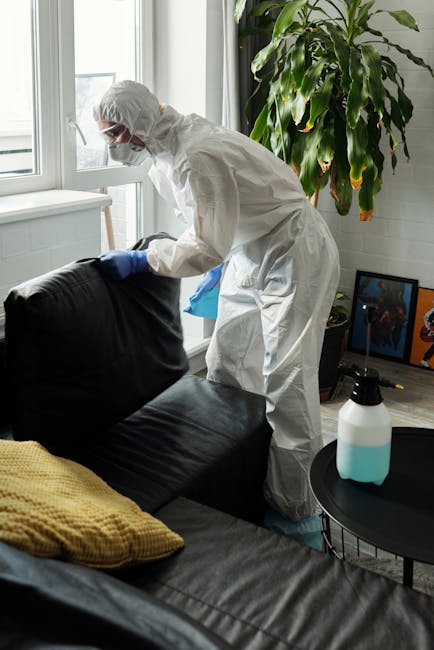
W11 upholstery cleaning tips for Campden Hill flats
Posted on 29/05/2026
W11 Upholstery Cleaning Tips for Campden Hill Flats
Living in a Campden Hill flat in W11 has its own charm: elegant rooms, tall windows, and furniture that often has to work harder than you'd think. A velvet sofa by the bay window looks gorgeous until a wet umbrella, a takeaway spill, or a bit of everyday London dust changes the picture. That's where W11 upholstery cleaning tips for Campden Hill flats become genuinely useful. Not the vague, fluffy kind either. Real, practical advice that helps you protect fabric, keep colours fresh, and avoid the sort of mistakes that quietly shorten the life of a sofa, armchair, or dining chair.
This guide is for anyone who wants better-looking upholstery without guesswork. Whether you're maintaining a rental flat, getting ready for guests, or simply trying to stop a sofa from looking a bit tired around the edges, you'll find step-by-step guidance here. We'll cover safe methods, the quirks of flat living, what to avoid, and when it makes sense to bring in a professional like the team behind upholstery cleaning in Holland Park.
Campden Hill homes can be lovely, but they can also be awkward to clean. Narrow hallways, limited drying space, delicate fabrics, and busy households all change the job. So let's make it simpler. A little care goes a long way, honestly.
Quick takeaway: the best upholstery results in W11 usually come from gentle routine care, fast stain response, fabric-specific products, and enough drying time. Rushing is where most damage starts.
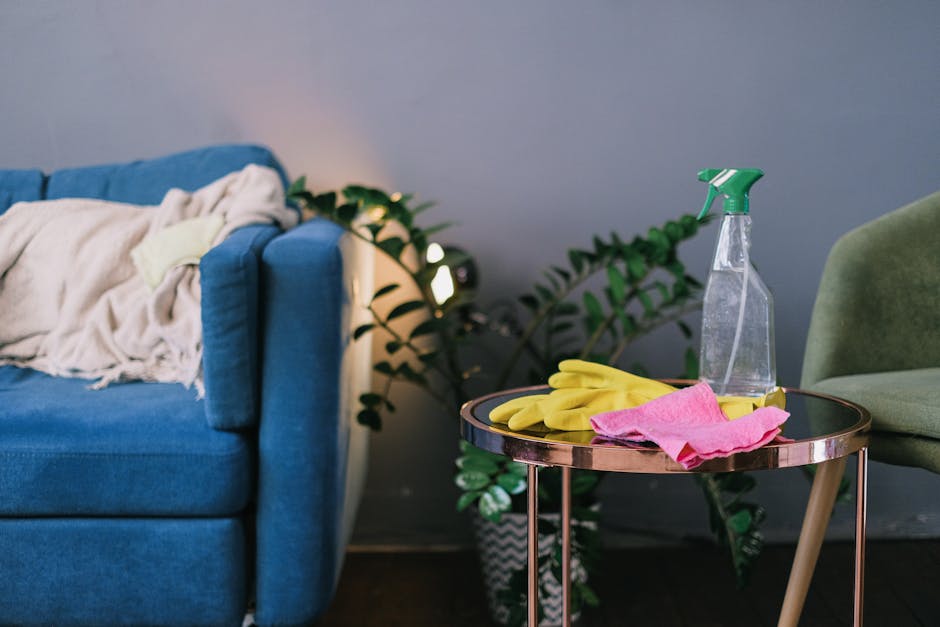
Why W11 upholstery cleaning tips for Campden Hill flats Matters
Upholstery in flats picks up a lot more than people expect. Shoes carry in grit, windows stay closed more often in colder months, and soft furnishings absorb everyday life: cooking smells, body oils, dust, pet hair, and the occasional drink spill. In a Campden Hill flat, that matters even more because many homes use a mix of older fabric furniture, compact layouts, and high-value finishes. One small stain can stand out on a cream armchair like a trumpet at midnight.
There's also the simple matter of presentation. Clean upholstery makes a room feel brighter, lighter, and cared for. That's useful if you rent out the flat, plan to sell, or just want your living room to feel less "slightly worn after a long winter" and more inviting. If you're already thinking about wider property presentation, you may also find the local perspective in selling your home in Holland Park helpful, especially when soft furnishings are part of that all-important first impression.
There's another angle too: hygiene. Upholstery can trap allergens and fine dust, and while regular vacuuming helps, it does not fully replace deeper cleaning. The goal isn't perfection. It's sensible upkeep that keeps furniture comfortable, attractive, and usable for longer.
For flats in W11, the best cleaning decisions are usually the quiet ones: small, regular, careful. Not dramatic, just consistent.
How W11 upholstery cleaning tips for Campden Hill flats Works
Good upholstery cleaning starts with identification. Before you touch a fabric, check what it is, how it reacts to moisture, and whether the manufacturer gives any cleaning codes. If there's a care label, treat it seriously. A cotton mix, wool blend, linen look, and synthetic weave can all behave differently. Leather and faux leather need their own approach altogether.
From there, the process is usually a sequence rather than a single action:
- Remove loose dirt first. Vacuum slowly with a soft upholstery attachment so you lift dust instead of pushing it deeper in.
- Test any product in a hidden spot. Under a cushion or at the back edge is usually safest.
- Treat stains by type. Grease, drink spills, ink, and mud each need different handling.
- Use the least moisture needed. Excess water can cause rings, lingering smells, or fabric distortion.
- Allow proper drying. Open windows if possible, use airflow, and avoid sitting on the fabric too soon.
That sounds straightforward, but the devil is in the detail. Flat living often means there's not much space to spread items out or dry them naturally. A sofa in the middle of a compact sitting room can't be treated like one in a workshop. You have to work tidily, in sections, and with decent ventilation. If you're comparing cleaning services for a broader home refresh, the services overview is a useful place to understand how upholstery fits alongside carpet, domestic, and end-of-tenancy cleaning.
Sometimes the right method is low-moisture cleaning; sometimes a deeper extraction approach makes more sense. The best choice depends on the fabric, soil level, and how quickly the piece needs to be back in use. That's the basic logic. Not fancy, just practical.
Key Benefits and Practical Advantages
People often think upholstery cleaning is mainly about appearance. It is, but not only that. There are several real advantages to keeping on top of it.
- Longer furniture life. Dirt acts like fine sandpaper. It wears fabric down gradually, especially on seat cushions and armrests.
- Better smell and freshness. Upholstery holds onto cooking odours, damp, and day-to-day living more than most people realise.
- Improved comfort. Sofas feel nicer when they're not hiding dust or ingrained grime.
- Better room presentation. Clean furniture makes the whole flat look more cared for.
- More predictable results. Regular maintenance is easier than rescuing a badly stained chair six months later.
There's also a financial angle. Replacing a well-made sofa can cost far more than maintaining it properly. In a W11 property, where furnishings are often chosen with care, preserving what you already own is usually the smarter move. Truth be told, people often notice the upholstery before they notice anything else in a room. Bit unfair on the carpet, but there it is.
If you're the sort of person who likes a wider local context while planning home care, the article on Holland Park local living insights offers a useful sense of the area's practical pace and home expectations. A well-kept flat simply fits better with that rhythm.
Who This Is For and When It Makes Sense
This advice is useful for a wide range of people, but a few groups benefit especially from a structured approach.
Flat owners and long-term residents
If you live in Campden Hill year-round, routine care keeps your furniture looking settled rather than tired. That's especially helpful for favourite pieces that get daily use.
Landlords and managing agents
Clean upholstery helps support a presentable standard between tenancies. It also reduces the chance of avoidable wear being mistaken for neglect. If you're coordinating a broader clean, end of tenancy cleaning in Holland Park can be part of a sensible turnover plan.
Busy professionals
When time is limited, the trick is not doing everything. It's doing the right small things often: vacuuming, spot treating, and not letting spills sit.
Families and pet owners
These homes need more frequent maintenance because fabric is exposed to more contact, more crumbs, and more accidental mess. Nothing dramatic. Just more life happening on the sofa.
Sellers and relocators
If a move is on the horizon, upholstery can affect the overall feel of a viewing. A clean sofa makes a room seem calmer and more complete. The article on making smart buys in Holland Park is also useful if you're deciding whether to clean, repair, or replace softer furnishings before a change.
When does it make sense to act? Usually when you see dull patches, notice odours, get a fresh spill, or realise the furniture has stopped looking crisp under normal daylight. Morning light near a west-facing window has a way of revealing everything, doesn't it?
Step-by-Step Guidance
Here's a practical method you can use for most upholstered items in a flat. Keep it calm and methodical. No rushing.
1. Read the care label
Look for any cleaning codes or fabric notes. If the label says professional cleaning only, respect that. It may be there because the fabric could shrink, bleed, or lose texture with the wrong approach.
2. Vacuum thoroughly
Use the upholstery attachment and work from top to bottom. Remove cushions if possible and vacuum seams, piping, under cushions, and the back of the frame. Those hidden edges collect a surprising amount of dust.
3. Identify the stain
Water-based spills, oily marks, food residue, pet accidents, and ink all behave differently. For example, a tea spill often needs a different response from a grease mark near a sofa arm.
4. Blot, don't rub
This is one of the simplest rules and one of the easiest to ignore. Rubbing pushes stain particles further into the fibres and can roughen the fabric surface. Use a clean white cloth and blot gently from the outside in.
5. Apply a suitable cleaner sparingly
Use fabric-appropriate products only. Lightly dampen the cloth or sponge rather than soaking the furniture. In a flat, oversaturation is a nuisance because drying space and airflow are often limited.
6. Work in small sections
It helps you control moisture and avoid patchy results. Finish one arm, one cushion, or one panel at a time. That pace is boring in the best way.
7. Rinse if needed
Some products leave residue that attracts soil later. If the cleaner instructions call for a rinse, use minimal clean water on a fresh cloth.
8. Dry properly
Open windows if weather and security allow. Use a fan if you have one. Keep cushions apart so air can move. Do not sit down too soon just to test it. You'll only create new creases and maybe a faint damp smell. Not ideal.
For homes with a wider cleaning schedule, upholstery care pairs well with domestic cleaning in Holland Park or house cleaning in Holland Park, especially if you want floors, fabrics, and surfaces refreshed together.
Expert Tips for Better Results
A few details can make the difference between "fine" and "actually, that looks good."
- Vacuum before any stain treatment. Loose dirt can smear when exposed to moisture.
- Use white cloths only. Coloured cloths can transfer dye, especially when damp.
- Mind the pile direction. Velvet and brushed fabrics can look patchy if you clean against the nap.
- Airflow matters more than people think. Slight dampness trapped under cushions can create odour later.
- Rotate cushions regularly. This reduces uneven wear and gives a more consistent appearance.
- Don't overdo fragrance sprays. A nice scent is fine, but masking an issue is not the same as cleaning it.
- Keep a stain kit ready. When a spill happens at 8:40 in the evening, you will not want to go hunting for the one cloth that actually works.
One small, real-world habit helps a lot: keep a soft brush and a clean microfiber cloth near the sofa, not hidden in a cupboard somewhere. If they're visible and easy to reach, you'll use them. If not, well, you know how that goes.
For people who like to think ahead, professional cleaning can also be scheduled around bigger events or moves. If that's your situation, the local guide to party venues in Holland Park may seem unrelated at first, but it's a reminder that homes in this area often need to look good before a gathering, not after the mess has happened.
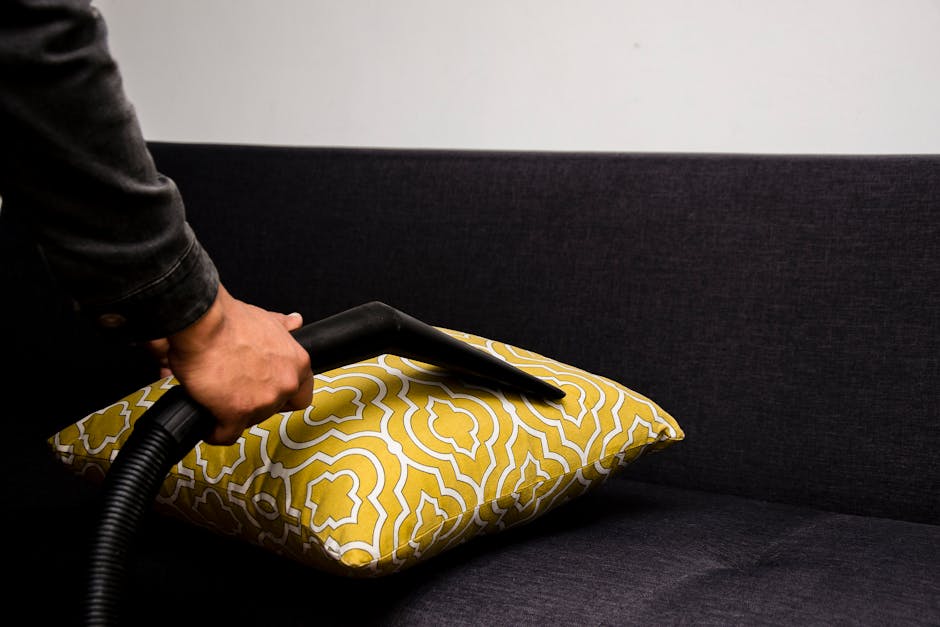
Common Mistakes to Avoid
This section saves people a lot of grief. Most upholstery damage comes from a handful of predictable errors.
Using too much water
More water does not mean cleaner fabric. It can leave water marks, affect cushioning, or cause lingering dampness inside the upholstery.
Scrubbing aggressively
It may feel productive, but it often distorts the weave or spreads the stain. Gentle work takes longer, yes, but the result is usually better.
Skipping a test patch
It only takes a few seconds to test a hidden area. Skipping that step is a gamble, and not the clever kind.
Ignoring the fabric type
What works on a synthetic blend may not suit linen, wool, or suede-style finishes. One-size-fits-all cleaning is usually a trap.
Drying too slowly
Flat living often means limited airflow. If you leave a damp cushion stacked on a seat, you're asking for a musty smell later.
Using harsh household chemicals
Bleach, strong solvents, and random kitchen products can do more harm than good. Just because something removes a mark on a worktop doesn't mean it belongs on a sofa.
Waiting too long after a spill
The sooner you blot and treat a stain, the easier it usually is to remove. Simple as that.
And yes, a little carelessness happens to everyone. The difference is whether you catch it early or discover it three days later when the stain has settled in and started to look permanent.
Tools, Resources and Recommendations
You do not need a huge kit to keep upholstery in good shape. A small, sensible set of tools is enough for most flats.
| Tool | Best Use | Why It Helps |
|---|---|---|
| Upholstery vacuum attachment | Routine cleaning | Lifts dust from seams and cushions without harsh brushing |
| Soft-bristled brush | Loosening dry dirt | Gentle on fabric surfaces and useful for textured weaves |
| White microfibre cloths | Spot cleaning | Reduce transfer risk and make it easier to see lifted dirt |
| Fabric-safe cleaner | Stain treatment | Designed for upholstery rather than hard surfaces |
| Small fan | Drying | Improves airflow in compact rooms |
| Protective gloves | Product handling | Useful if your skin is sensitive to cleaning agents |
If you're considering a professional approach, look for providers that explain their process clearly, offer transparent pricing, and have sensible safety and insurance information available. The pages on pricing and quotes and insurance and safety are worth reviewing because they set practical expectations before any booking.
For broader home care planning, the carpet cleaning in Holland Park page can also be useful if you want upholstery and floors handled in the same visit. That often makes sense in flats, simply because it saves time and reduces disruption.
Law, Compliance, Standards, or Best Practice
Upholstery cleaning is not heavily regulated in the way some specialist trades are, but there are still sensible standards and expectations to keep in mind. In the UK, chemical products should be used according to the manufacturer instructions, and any cleaning method should be suitable for the material being treated. That sounds obvious, but it's the sort of obvious that gets forgotten when someone reaches for the nearest spray bottle.
In a residential flat, the most important best-practice points are straightforward:
- follow fabric care labels where present;
- test products before full use;
- avoid excess moisture that could affect carpets, flooring, or neighbouring furnishings;
- use products safely and store them properly;
- allow adequate drying before normal use.
Landlords, managing agents, and occupiers should also be mindful of general property care and cleanliness obligations that may arise under tenancy agreements or building rules. Those details vary, so it's wise to check the actual agreement rather than assume. If you need a broader overview of the company's policies and working practices, the health and safety policy, terms and conditions, and privacy policy provide a clearer picture of how things are handled.
For residents in older or more characterful flats, there's another good reason to stay cautious: heritage-style interiors can include delicate materials, older trims, and fabric choices that do not forgive shortcuts. If your place has that period-home feel, the article on carpet cleaning for period homes on Holland Park Avenue is a useful related read, even if you're mainly focused on upholstery.
Options, Methods, or Comparison Table
Different upholstery cleaning methods suit different situations. There isn't a single perfect answer for every flat, which is a relief in one way and mildly annoying in another.
| Method | Best For | Pros | Watch Outs |
|---|---|---|---|
| Vacuum-only maintenance | Weekly upkeep | Fast, simple, low risk | Won't remove stains or deep soil |
| Spot cleaning | Fresh spills and local marks | Targets small issues quickly | Can leave rings if done badly |
| Low-moisture cleaning | Routine refresh | Less drying time, good for flats | May not suit heavy staining |
| Hot water extraction | Heavier soil or deeper clean needs | More thorough on suitable fabrics | Longer drying time, not suitable for every material |
| Professional speciality cleaning | Delicate, high-value, or awkward fabrics | Material-aware, safer for complex jobs | Usually more expensive than DIY |
For many Campden Hill flats, the deciding factors are drying space, fabric sensitivity, and how much disruption you can tolerate. If a piece is important, delicate, or expensive, professional cleaning is often the calmer choice. If it's a hardy synthetic sofa with a fresh coffee mark, a careful spot clean may be enough.
To be fair, the right method is often less about ambition and more about restraint. Cleaning furniture is not a contest.
Case Study or Real-World Example
Picture a typical Campden Hill sitting room on a weekday evening. A two-seat sofa near a window, one armchair that gets the afternoon sun, and a pale fabric ottoman that has become the family's unofficial landing zone for bags, books, and the odd cup of tea. Nothing dramatic. Just normal life.
Over time, the sofa begins to look a shade darker where hands rest. The ottoman shows a few faint marks near the edge. The armchair smells slightly stale after a damp week. The owner doesn't need a full replacement; they need a smarter routine.
They start with a proper vacuum, paying attention to seams and under cushions. Then they blot a recent tea spill rather than scrubbing it. A small amount of fabric-safe cleaner lifts the mark. The ottoman gets a careful spot treatment and better drying, helped by a fan and a slightly open window. The sofa is rotated and the cushions are flipped. Nothing heroic.
Within a day, the room feels fresher. Not showroom-perfect, but noticeably better. More importantly, the cleaning routine is now something they can repeat. That is the real win. Not one big rescue, but a manageable habit.
If that sounds close to your own flat, you're probably not far off from a good result yourself. And if the fabric is more delicate than expected, asking for help early is far better than trying five improvised fixes and hoping for the best.
Practical Checklist
Use this quick checklist before and after upholstery cleaning in your flat.
- Check the fabric care label.
- Vacuum the entire piece, including seams and cushions.
- Identify the stain type before applying any product.
- Test a cleaner in a hidden spot.
- Use minimal moisture.
- Blot gently with a clean white cloth.
- Do not rub or oversaturate the fabric.
- Allow full drying with good airflow.
- Rotate or flip cushions where possible.
- Keep a note of what worked for next time.
If you want a broader home refresh rather than a single-item clean, it can also help to think about the whole property together. The page on office cleaning in Holland Park is not for every reader, of course, but it shows how cleaning needs vary by space, use, and traffic. Residential upholstery has its own rhythm, but the same principle holds: match the method to the environment.
Conclusion
Upholstery cleaning in Campden Hill flats does not need to feel complicated. The best results usually come from steady care, the right products, a patient hand, and enough drying time to let the fabric settle properly. When you understand your upholstery and treat it with a bit of restraint, you avoid most of the common problems that make furniture look older than it really is.
For W11 residents, that matters because flats often combine valuable furnishings, limited space, and a high standard of presentation. A sofa should feel like part of the home, not a source of stress. And a clean armchair by the window on a quiet afternoon can make the whole place feel lighter. Small thing, maybe. But it changes the mood.
If you're deciding whether to do the job yourself or bring in support, think about fabric type, stain severity, and drying conditions first. That simple check will save you time, money, and the sort of regret that comes from being a little too confident with a spray bottle.
Get a free quote today and see how much you can save.
When you're ready, the next step is simply to choose the method that suits your flat best. Clean carefully, keep it local, and let your furniture look as settled and comfortable as the home around it.